Pilots
PORTUGAL'S FIRST AGRI-PV PILOT IN A VINEYARD | AgriPV, ISA
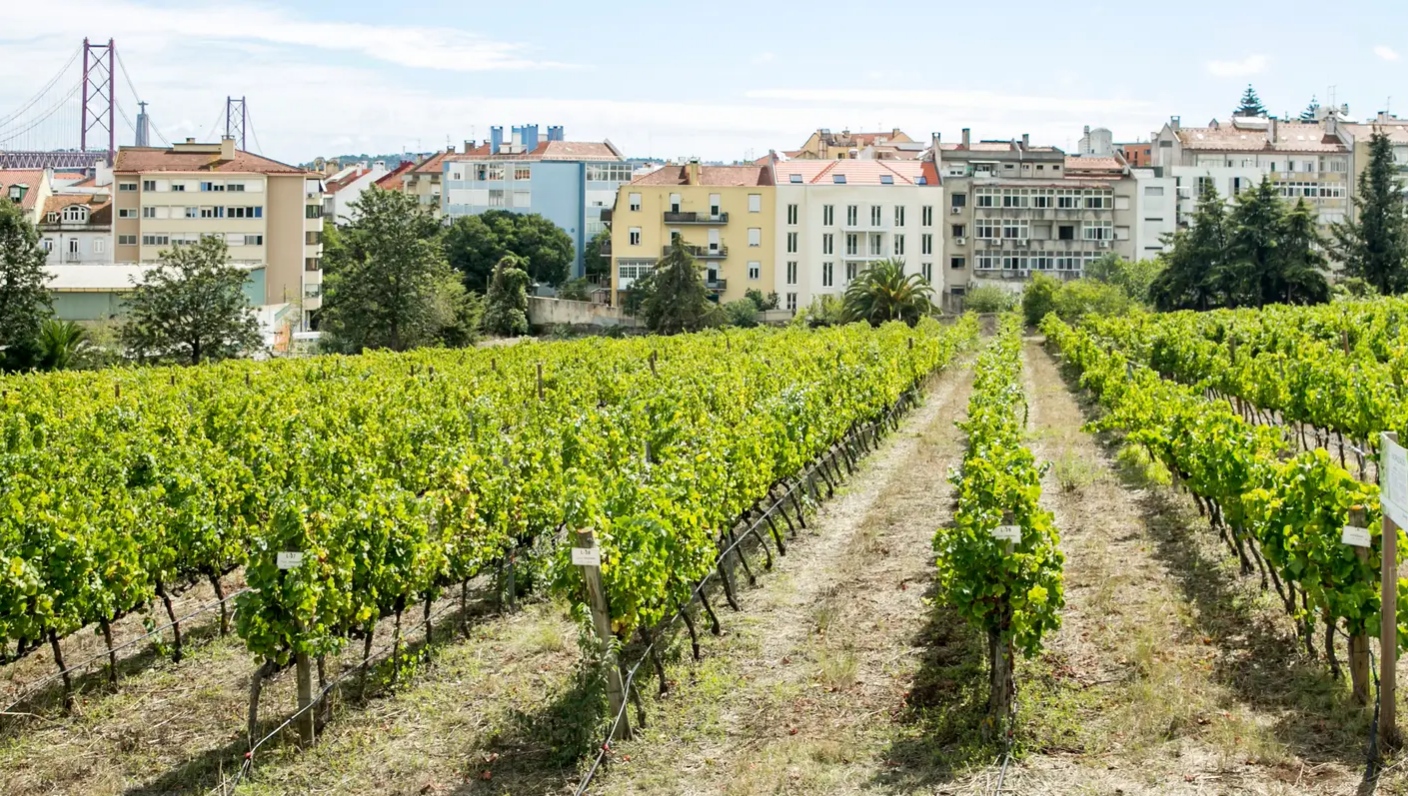
Startup name/ Name of project:
Agri-PV Pilot in a vineyard, in collaboration with ISA
Technology used:
Photovoltaic (PV)
Project’s duration:
Three years, starting in October 2024
Status:
Ongoing – installation completed in May 2024, currently in its 3rd monitoring campaign
Project’s location:
Instituto Superior de Agronomia (ISA). Tapada da Ajuda, Lisbon
Small project description:
Galp and the Instituto Superior de Agronomia (ISA) have developed the first vineyard agrivoltaic project implemented in Portugal, installed at Tapada da Ajuda in Lisbon.
This pilot project aims to evaluate the potential of agrivoltaic technology as a strategy for adapting to climate change in the viticulture sector. By partially covering the vineyard with solar panels, the irradiance to which the plants are exposed is reduced, with potentially positive effects on their vegetative development and the quality of the grapes and wine.
The pilot studies two white Portuguese grape varieties - Encruzado and Viosinho - allowing for a comparison of how different varieties respond to agrivoltaic system conditions. The vineyard is equipped with dedicated sensors to monitor environmental conditions and quantify the impact on crop development.
Featuring 288 solar panels covering an area of approximately 1,700 m², the project has an installed capacity of around 130 kWp and generates renewable electricity for self-consumption on the ISA campus.
The panels are installed 4–5 meters above the ground, with their position adjusted in real time (trackers structure), thereby maximizing solar generation while protecting agricultural production from excess radiation and extreme weather events.
Figure 1. Agrivoltaic pilot installed over the Instituto Superior de Agronomia vineyard.
Preliminary results from the 2024 and 2025 campaigns for the Viosinho and Encruzado varieties include:
Vineyard microclimate changes:
- Incident solar radiation was reduced by ~35% to ~50% in the area shaded by the panels, depending on the position of the panels relative to the vines.
- Relative air humidity in the same shaded area remained, on average, about 10% higher than in the open-field control plot.
- Leaves under the panels remained consistently cooler than those of the control vines, particularly during midday and afternoon (11:00 AM–4:00 PM), with average temperature differences between 1.5°C and 3°C.
Figure 2. Vineyard under the panels: color photograph (left) and infrared thermal image (right), highlighting the cooler zones under the structure. Scale in °C.
Delayed ripening:
- In 2024, even though the panels were installed late in the vegetative cycle, the grapes under the panels reached maturity about 2 to 3 weeks later than the control plants.
- In 2025, during the first campaign monitoring the entire vegetative cycle, the delay persisted: harvest took place between 10 and 22 days later than for the control plants.
- This slower ripening process could represent an important adaptation strategy in response to earlier harvests caused by rising global temperatures.
Figure 3. Grape bunches ready for harvest (left) and manual pressing of grapes at harvest (right), illustrating the transition from vineyard to wine production.
Protection against sunburn:
- In 2025, the incidence of sunburn on grape bunches was significantly reduced under the panels: for the Viosinho variety, it dropped from 21.3% (control) to 1.8–2.8%; for the Encruzado variety, it fell from 31.2% (control) to 2.3–5.2%.
- No sunburn occurrences were recorded in 2024.


